
Ancient Aqueducts and Beyond: Pont du Gard and French Wonders
Ancient Aqueducts and Beyond: Pont du Gard and French Wonders is a fascinating topic that explores the historical significance and architectural marvels of the Pont du Gard and other remarkable structures in France. These ancient aqueducts, including the Pont du Gard, showcase the ingenuity and engineering prowess of the ancient Romans, while also highlighting the cultural and historical heritage of France. Join us as we delve into the rich history and awe-inspiring beauty of these French wonders.
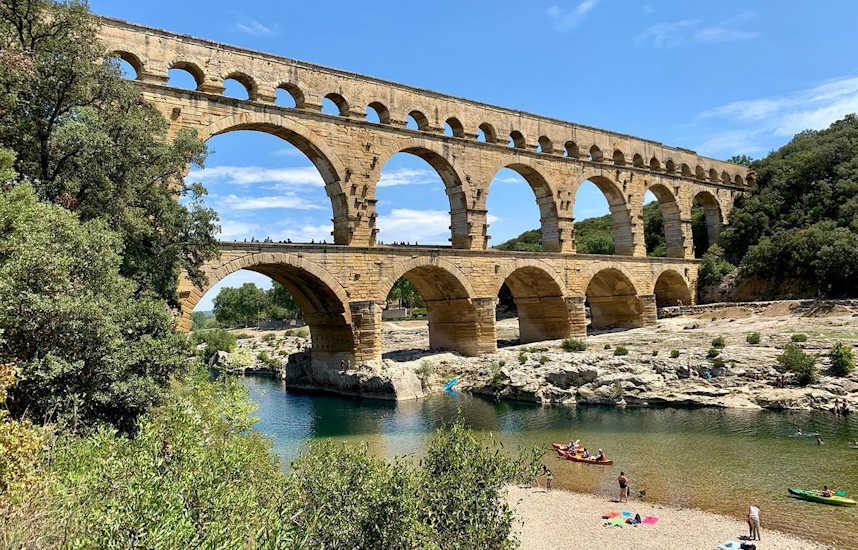
The History and Construction of the Pont du Gard Aqueduct
The Pont du Gard is a remarkable structure that stands as a testament to the ingenuity and engineering prowess of the ancient Romans. This aqueduct, located in the south of France, was built over 2,000 years ago and continues to awe visitors with its grandeur and beauty. In this article, we will delve into the history and construction of the Pont du Gard, exploring the fascinating story behind this French wonder.
The Pont du Gard was constructed during the reign of the Roman Emperor Augustus in the 1st century AD. Its purpose was to transport water from the Eure spring to the city of Nemausus, modern-day Nîmes, which was experiencing a rapid growth in population at the time. The aqueduct was a vital infrastructure project that ensured a reliable water supply for the city’s inhabitants.
The construction of the Pont du Gard was a monumental undertaking. The aqueduct spans a distance of 50 kilometers, with a height of 49 meters at its highest point. It was built using limestone blocks, carefully cut and fitted together without the use of mortar. This technique, known as opus quadratum, allowed the structure to withstand the test of time and remain standing to this day.
The aqueduct consists of three tiers of arches, with the lower level serving as a road bridge. The upper levels carried the water channel, which was covered with large stone slabs to protect the water from contamination. The precision and craftsmanship involved in the construction of the Pont du Gard are truly remarkable, considering the limited tools and technology available at the time.
One of the most intriguing aspects of the Pont du Gard is its ability to withstand the forces of nature. The aqueduct was designed to accommodate the flow of water from the Eure spring, which could reach up to 20,000 cubic meters per day. The engineers who built the Pont du Gard had to carefully calculate the gradient and ensure that the water flowed smoothly through the channels, without causing any damage to the structure.
Over the centuries, the Pont du Gard has faced numerous challenges, including floods and earthquakes. However, it has managed to withstand these natural disasters and remain intact. In the 18th century, the aqueduct was restored and became a popular tourist attraction. Today, it is a UNESCO World Heritage site and draws thousands of visitors each year.
Visiting the Pont du Gard is a truly awe-inspiring experience. As you walk along the ancient stone pathway, you can’t help but marvel at the engineering genius of the Romans. The sheer size and beauty of the aqueduct are breathtaking, and it is a testament to the skill and vision of those who built it.
In conclusion, the Pont du Gard is a remarkable example of ancient Roman engineering. Its construction and history are a testament to the ingenuity and skill of the Romans, who were able to create such a magnificent structure over 2,000 years ago. Visiting the Pont du Gard is a journey back in time, allowing us to appreciate the wonders of the past and marvel at the achievements of our ancestors.
Exploring the Engineering Marvels of Ancient Aqueducts
Ancient Aqueducts and Beyond: Pont du Gard and French Wonders
Exploring the Engineering Marvels of Ancient Aqueducts
When it comes to engineering marvels, ancient aqueducts are often at the top of the list. These incredible structures were built by ancient civilizations to transport water over long distances, and they continue to amaze us with their ingenuity and durability. One such aqueduct that stands out is the Pont du Gard in France.
The Pont du Gard is a Roman aqueduct that was built in the 1st century AD. It spans the Gardon River in southern France and is considered one of the most impressive examples of Roman engineering. The aqueduct was constructed using limestone blocks without the use of mortar, a technique that has allowed it to withstand the test of time.
What makes the Pont du Gard even more remarkable is its size. Standing at a height of 160 feet, it is the tallest Roman aqueduct ever built. The structure consists of three tiers of arches, with the lower level serving as a bridge for pedestrians and the upper levels carrying the water channel. The precision and symmetry of the arches are a testament to the skill and craftsmanship of the Roman engineers.
But the Pont du Gard is not the only ancient aqueduct worth exploring in France. The country is home to several other impressive examples, each with its own unique features and history. One such aqueduct is the Aqueduct of Roquefavour, located near Aix-en-Provence.
The Aqueduct of Roquefavour was built in the 19th century and is considered a masterpiece of French engineering. It was constructed to transport water from the Durance River to the city of Marseille, a distance of over 80 kilometers. The aqueduct features a single arch that spans 83 meters, making it the largest stone arch in the world at the time of its construction.
Another notable aqueduct in France is the Aqueduct of Saint-Clément, located in Montpellier. Built in the 18th century, it was designed to supply water to the city and its surrounding areas. The aqueduct consists of a series of arches that stretch for over 14 kilometers, showcasing the engineering prowess of the time.
While these ancient aqueducts are certainly impressive, they are not the only wonders of engineering that can be found in France. The country is also home to modern marvels such as the Millau Viaduct, a cable-stayed bridge that spans the Tarn River. With its elegant design and towering height, the Millau Viaduct has become an iconic symbol of French engineering.
In conclusion, ancient aqueducts like the Pont du Gard continue to captivate us with their engineering brilliance. These structures not only served a practical purpose but also showcased the skill and ingenuity of the civilizations that built them. From the precision of the arches to the durability of the materials used, these aqueducts stand as a testament to the timeless beauty of engineering. And while the Pont du Gard may be the most famous, France is home to many other remarkable aqueducts and engineering wonders that are worth exploring.
The Significance of Aqueducts in Ancient Roman Society
Ancient Aqueducts and Beyond: Pont du Gard and French Wonders
Aqueducts have long been a marvel of engineering, and one of the most impressive examples can be found in the south of France. The Pont du Gard, a Roman aqueduct bridge, stands as a testament to the ingenuity and skill of the ancient Romans. But what exactly is the significance of aqueducts in ancient Roman society?
In ancient Rome, aqueducts played a crucial role in supplying water to the growing cities. As the population expanded, so did the need for a reliable water supply. The aqueducts were designed to transport water from distant sources, such as springs or rivers, to the cities. This ensured that the citizens had access to clean water for drinking, bathing, and even for use in public fountains and baths.
The Pont du Gard, located near the city of Nîmes, is a prime example of the grandeur and functionality of Roman aqueducts. Built in the 1st century AD, it spans the Gardon River and stands at an impressive height of 49 meters. The three tiers of arches, made from local limestone, create a striking visual spectacle that has captivated visitors for centuries.
But the Pont du Gard is not just a beautiful structure; it served a vital purpose in its time. It was part of a larger aqueduct system that transported water over 50 kilometers to the city of Nîmes. The bridge itself functioned as a conduit, carrying the water across the river. Its sturdy construction and precise engineering allowed it to withstand the test of time, making it one of the best-preserved Roman aqueducts in the world.
The significance of aqueducts in ancient Roman society cannot be overstated. They were not only a means of providing water but also a symbol of the empire’s power and technological prowess. The construction of aqueducts required immense resources and manpower, showcasing the wealth and capabilities of the Roman Empire.
Beyond the Pont du Gard, there are other remarkable examples of Roman aqueducts in France. The aqueduct of Segovia in Spain, the aqueduct of Mérida in Portugal, and the aqueduct of Carthage in Tunisia are just a few examples of the widespread influence of Roman engineering. These structures stand as a testament to the lasting impact of Roman civilization on the world.
In addition to their practical function, aqueducts also had a cultural significance in ancient Roman society. They were often adorned with decorative elements, such as statues and inscriptions, showcasing the artistic and aesthetic sensibilities of the Romans. The Pont du Gard, for example, features a sculpted frieze depicting the life of the gods, adding a touch of beauty to its already impressive architecture.
In conclusion, the significance of aqueducts in ancient Roman society cannot be underestimated. They were not only a means of providing water but also a symbol of power, wealth, and technological prowess. The Pont du Gard and other Roman aqueducts in France stand as remarkable examples of the engineering marvels of the ancient world. Their grandeur and functionality continue to captivate visitors today, reminding us of the lasting legacy of the Roman Empire.
Beyond Pont du Gard: Other Impressive Aqueducts in France
When it comes to ancient engineering marvels, the Pont du Gard in France is often the first to come to mind. This impressive aqueduct, built by the Romans in the first century AD, is a testament to their ingenuity and skill. But did you know that there are other equally impressive aqueducts in France? In this article, we will explore some of these lesser-known wonders that are definitely worth a visit.
One such aqueduct is the Aqueduct of Roquefavour, located near Aix-en-Provence in southern France. Built in the mid-19th century, this aqueduct is a stunning example of modern engineering. Standing at a height of 82 meters, it is the tallest stone aqueduct in the world. The aqueduct was constructed to transport water from the Durance River to the city of Marseille, ensuring a reliable water supply for its growing population. Today, visitors can marvel at the grandeur of this structure and even take a boat ride underneath it for a unique perspective.
Moving north, we come across the Aqueduct of Saint-Clément, situated in the Loire Valley. This aqueduct, built in the 17th century, was part of a larger network of canals and aqueducts designed to transport water for irrigation and industrial purposes. What sets this aqueduct apart is its unique design, featuring a series of arches that seem to blend seamlessly with the surrounding landscape. Visitors can take a leisurely stroll along the aqueduct, enjoying the picturesque views of the countryside.
Continuing our journey, we arrive at the Aqueduct of Maintenon, located near Paris. This aqueduct, constructed in the 17th century, was commissioned by King Louis XIV to supply water to the gardens of the Palace of Versailles. The aqueduct spans the Eure River and is a stunning example of French Baroque architecture. Visitors can explore the aqueduct and even take a guided tour to learn more about its history and significance.
Heading further south, we encounter the Aqueduct of Barbegal, near Arles. This aqueduct, built in the 2nd century AD, was part of a complex system that powered a series of water mills. These mills were used to grind grain and produce flour, making it a vital resource for the local population. Today, visitors can explore the ruins of the aqueduct and gain insight into the ancient Roman technology that made this industrial complex possible.
Last but not least, we come to the Aqueduct of Montreuillon, located in the Burgundy region. This aqueduct, built in the 19th century, was designed to transport water for irrigation and industrial purposes. What makes this aqueduct unique is its use of cast iron pipes, a revolutionary material at the time. Visitors can admire the intricate network of pipes and marvel at the engineering prowess of the past.
In conclusion, while the Pont du Gard may be the most famous aqueduct in France, there are many other impressive structures waiting to be discovered. From the modern marvel of the Aqueduct of Roquefavour to the ancient ruins of the Aqueduct of Barbegal, each aqueduct has its own story to tell. So, the next time you find yourself in France, be sure to venture beyond the Pont du Gard and explore these hidden wonders.
Ancient Aqueducts: A Testament to Human Ingenuity and Innovation
Ancient Aqueducts and Beyond: Pont du Gard and French Wonders
Ancient Aqueducts: A Testament to Human Ingenuity and Innovation
When we think of ancient wonders, the first things that come to mind are often the pyramids of Egypt or the Colosseum in Rome. However, there is another marvel of human engineering that often goes unnoticed – the ancient aqueducts. These structures, built thousands of years ago, were a testament to the ingenuity and innovation of our ancestors. One such aqueduct that stands out is the Pont du Gard in France.
The Pont du Gard is a Roman aqueduct bridge that was built in the 1st century AD. It spans the Gardon River in southern France and was part of a larger aqueduct system that supplied water to the city of Nîmes. The bridge itself is a stunning example of Roman engineering, with three tiers of arches reaching a height of 160 feet. It is a true marvel to behold and a testament to the skill and craftsmanship of the ancient Romans.
What makes the Pont du Gard even more impressive is the fact that it was built without the use of mortar. The stones were carefully cut and fitted together, creating a structure that has stood the test of time. It is a reminder of the incredible engineering feats that were accomplished by our ancestors, using only the tools and materials available to them.
But the Pont du Gard is not the only ancient aqueduct worth exploring in France. The country is home to a number of other remarkable structures that showcase the ingenuity of our ancestors. One such example is the Aqueduct of Roquefavour, located near Marseille. Built in the 19th century, it is the largest stone aqueduct in the world and is still in use today.
Another notable aqueduct is the Aqueduct of Segovia in Spain, which was built by the Romans in the 1st century AD. Although not located in France, it is worth mentioning as it is one of the best-preserved ancient aqueducts in the world. Its double-tiered arches and impressive length make it a must-see for anyone interested in ancient engineering.
The aqueducts of ancient Rome were not just functional structures; they were also works of art. Many of them were adorned with intricate carvings and sculptures, showcasing the artistic talent of the time. The Pont du Gard, for example, features decorative reliefs and inscriptions that tell the story of its construction.
In addition to their architectural beauty, the aqueducts played a crucial role in the development of ancient cities. They provided a reliable source of water, allowing for the growth of urban centers and the development of advanced civilizations. Without these structures, many ancient cities would not have been able to thrive and flourish.
Today, the aqueducts continue to inspire awe and admiration. They serve as a reminder of the incredible achievements of our ancestors and the importance of preserving our cultural heritage. The Pont du Gard, with its grandeur and beauty, is a testament to the ingenuity and innovation of the ancient Romans. It is a must-visit destination for anyone interested in history, engineering, or simply marveling at the wonders of the past.
In conclusion, the ancient aqueducts, such as the Pont du Gard, are a testament to human ingenuity and innovation. These structures, built thousands of years ago, continue to inspire awe and admiration. They are a reminder of the incredible engineering feats accomplished by our ancestors and the importance of preserving our cultural heritage. So, the next time you find yourself in France, make sure to visit the Pont du Gard and other ancient aqueducts to witness firsthand the wonders of the past.In conclusion, the Pont du Gard is a remarkable example of ancient aqueducts and a testament to the engineering prowess of the Roman Empire. It stands as a French wonder, attracting visitors from around the world with its architectural beauty and historical significance. The aqueduct system it represents played a crucial role in supplying water to the Roman city of Nemausus (modern-day Nîmes) and serves as a reminder of the advanced infrastructure of the ancient world. Beyond the Pont du Gard, France is home to numerous other wonders, both natural and man-made, that continue to captivate and inspire visitors.
